
 Apartments
 Villas
 Townhouses
 Penthouses
 Commercial
 See All Properties
Signature Collection
Explore Signature Commercial
 Property Management
 List Your Property
 Mortgages
 Conveyancing
 Short Term Rentals
 Property Snagging
 Partner Program
 Currency Exchange
 PRYPCO
 Ethnovate
 Plots
Plots
Dubai has announced a new urban plan that puts families, green spaces, and wellbeing at its center. Chaired by His Highness Sheikh Hamdan bin Mohammed bin Rashid Al Maktoum, the Crown Prince, the Executive Council meeting outlined a model to reshape how residents live, move, and connect across key districts.
This announcement aligns with Dubai Urban Plan 2040, Dubai Social Agenda 33, and the emirate’s vision of building environments where home, school, recreation, and mobility are seamlessly integrated.
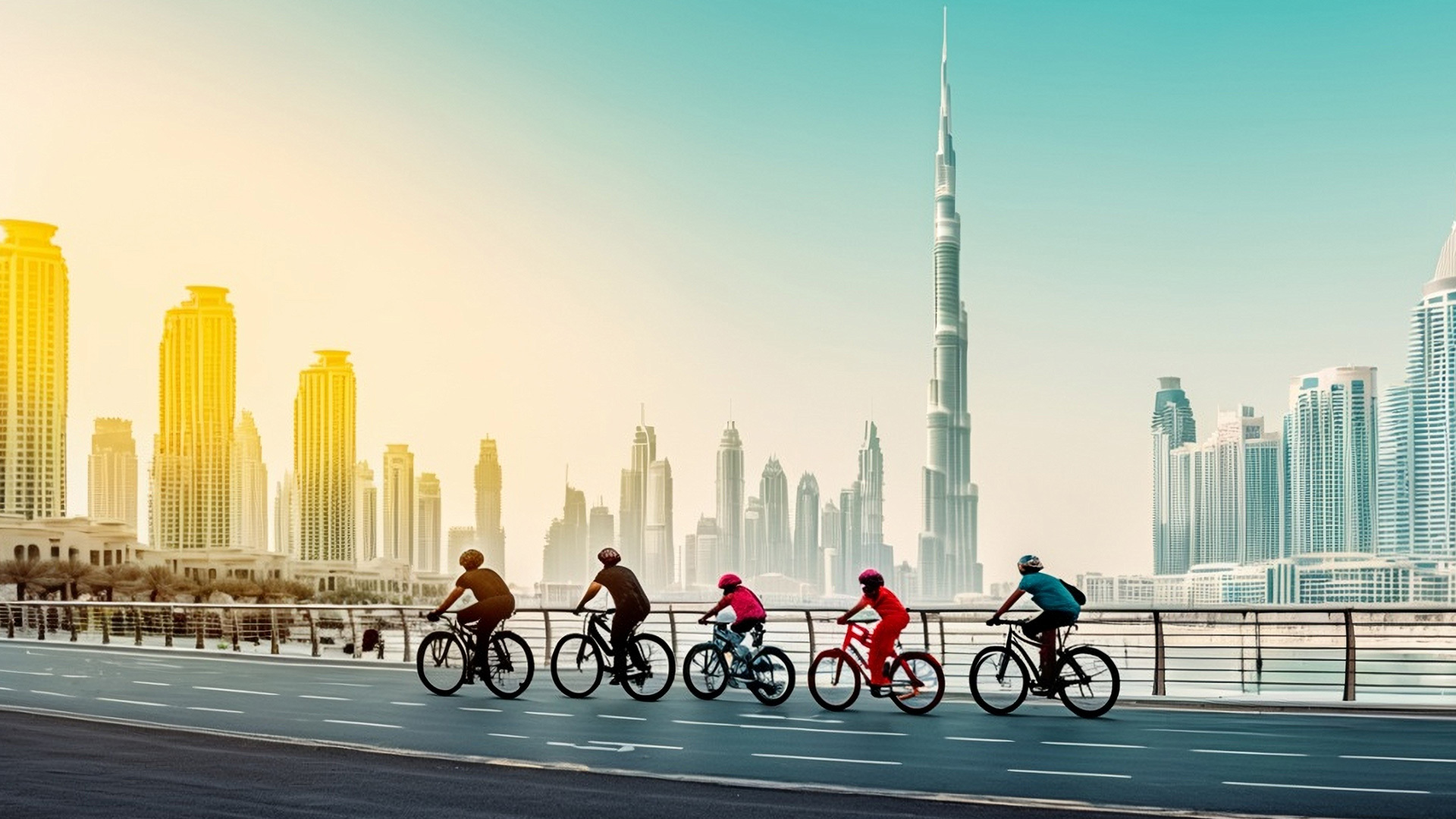
With 152 new parks, 33+ kilometres of cycling tracks, and a planning approach anchored in citizen welfare, the model sets the framework for Dubai’s next chapter of community living.
About the New Urban Model
The Crown Prince made Dubai’s direction clear:
“In Dubai, we aspire to offer all citizens a better life, greater opportunities for their families, and a brighter future for generations to come.”
He highlighted that citizen welfare and family empowerment form the basis of Dubai’s future plans. The planning model revives the traditional Fareej concept, in which homes, parks, schools, and service centers form interconnected clusters that support everyday convenience and community connection.
This focus also supports the 20 Minute City concept, ensuring essential amenities remain within a short walk or cycle ride.
152 Parks & Green Spaces Within 150 Metres
A key part of the initiative is Dubai’s commitment to expanding public green spaces. The model introduces:
- 152 new parks across two major districts
- Green spaces located within a 150 metre walk
- A network of shaded walkways and public plazas
- Over 33 km of cycling paths
- Central parks with a variety of family and children’s facilities
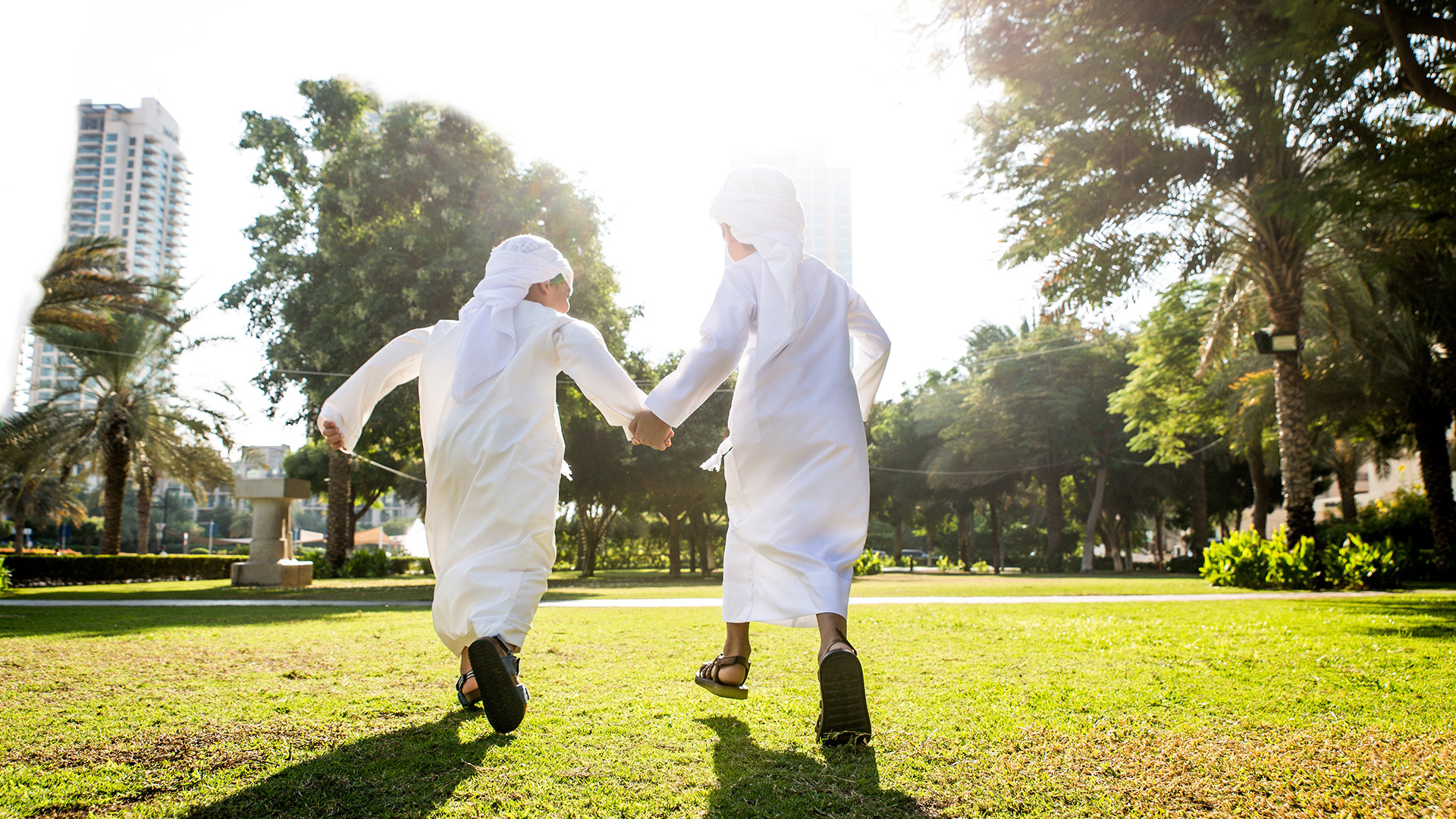
These parks are designed as active community spaces that encourage outdoor activity, social interaction, and a healthier daily lifestyle.
Madinat Latifa
The first district shaped by the new model is Madinat Latifa, spanning:
- 3,000 hectares
- 141,000 residents
- 18,500 residential units
- 77 parks across the neighborhood
Around 11% of the district’s land is allocated to parks and open spaces. These are connected by 12 km of walking and cycling paths, supporting movement-friendly living.
The district will also feature:
- Schools
- Early childhood centers
- Mosques
- Health clinics
- Commercial hubs
Madinat Latifa is planned as a community where green spaces, essential services, and social areas are woven into daily life.

Unlock High ROI's on property
Invest Smart, Invest with Provident
Discover a World of Opportunities to Maximize ROI.
Al Yalayis
The second major district in the new framework is Al Yalayis, covering:
- 1,108 hectares
- 66,000 residents
- 8,000 residential units
- 75 parks linked through green corridors
The area features extensive green spaces, with parks, recreational areas, and community hubs forming a cohesive environment. Shaded walkways and linked amenities encourage walking, running, and cycling as part of everyday routines.
Together, Madinat Latifa and Al Yalayis make up all 152 parks Dubai plans to introduce, setting a model for sustainable, family-focused neighborhoods.
Shaded Walkways & the Return of the Fareej
The planning approach revives the traditional Fareej idea, centered on close-knit, community-driven neighborhoods. The updated interpretation includes:
- Shaded pedestrian networks
- Integrated cycling paths
- Community squares
- Majlis and wedding halls
- Multi-use spaces for cultural and social activities
Homes, parks, schools, and service facilities are connected in a way that promotes interaction and strengthens community bonds.
Beyond Parks: A Digitally Resilient Dubai
In the same Executive Council meeting, Dubai approved the Digital Resilience Policy, reinforcing the emirate’s commitment to secure and reliable digital infrastructure. The policy aims to:
- Protect key digital assets
- Secure cloud platforms, networks, and data centers
- Strengthen cooperation between the public and private sectors
- Improve response mechanisms for digital incidents
- Maintain service continuity across the city
The approach aligns with the Dubai Digital Strategy (2023) and ensures seamless digital operations for residents and businesses.
Moving Toward Dubai 2033 & 2040
The Executive Council reviewed progress under the 2025 agenda and approved the 2026 plan, aligned with Dubai Plan 2033. Together, these initiatives reflect a future where:
- Families are central to planning decisions
- Walkability and green spaces shape neighborhood design
- Digital resilience strengthens service delivery
- Sustainability and community well-being guide long-term planning
Dubai continues to build neighborhoods that offer comfort, connectivity, and a strong sense of belonging.
FAQs
They will be distributed across Madinat Latifa (77 parks) and Al Yalayis (75 parks), forming a connected green network.
Essential services, parks, and community hubs are positioned within short walking or cycling distances.
It aims to protect digital infrastructure, strengthen cybersecurity, and ensure continuity of digital services.
It supports long-term objectives under Dubai Urban Plan 2040 and Social Agenda 33 by prioritizing sustainability, mobility, and family welfare.
For more information, get in touch with us at Provident