
 Apartments
 Villas
 Townhouses
 Penthouses
 Commercial
 See All Properties
Signature Collection
Explore Signature Commercial
 Property Management
 List Your Property
 Mortgages
 Conveyancing
 Short Term Rentals
 Property Snagging
 Partner Program
 Currency Exchange
 PRYPCO
 Ethnovate
 Plots
Plots
Global economic uncertainty often raises an important question for investors. How does the Dubai property market behave when the world economy slows or when global sentiment becomes cautious?
Unlike many international markets, Dubai has repeatedly demonstrated a unique ability to stabilise, adapt, and regain momentum quickly. The city is deeply connected to global capital, tourism, trade, and international migration. Yet this global exposure has not weakened the market. Instead, it has strengthened the foundation of long-term demand.
Understanding the Dubai property market resilience requires looking beyond headlines and focusing on the structural strengths supporting Dubai’s economy and property sector.
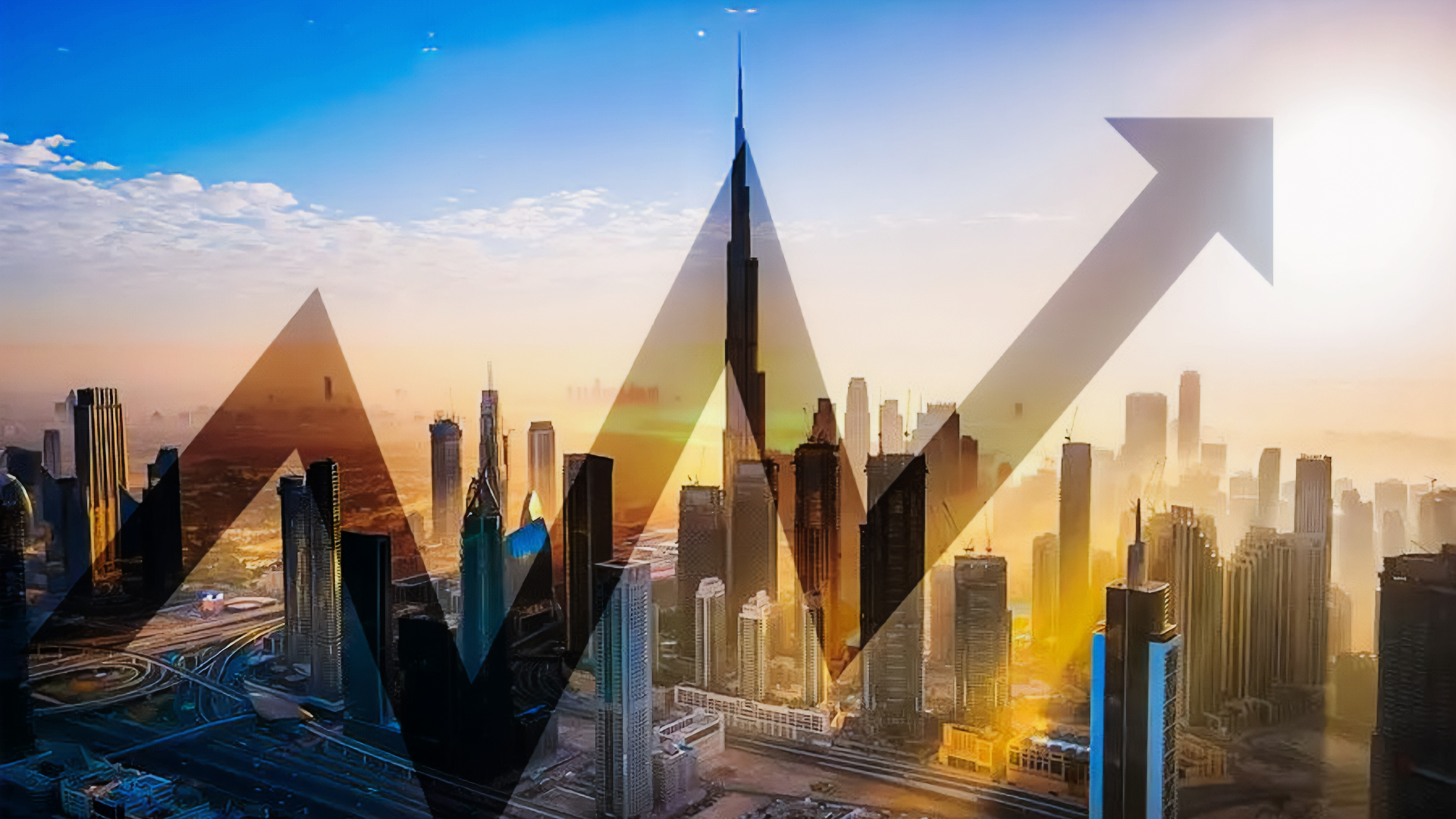
Dubai Real Estate During the Global Crisis: The Strength of a Diversified Economy
A single industry does not support the Dubai real estate sector. Instead, it is backed by a diversified economic ecosystem that includes aviation, global trade, finance, tourism, and international investment.
These industries continuously generate demand for residential property, investment assets, and commercial real estate.
Global Trade Infrastructure Supporting Economic Stability
Trade logistics also play a major role in economic resilience. Dubai’s position between Asia, Europe, and Africa makes it a key gateway for international goods and supply chains. Key trade indicators include:
- Jebel Ali Port ranked among the top 10 ports globally
- 7.3 million TEUs handled in the first half of 2024
- 10,500+ international companies operating in JAFZA
- Strategic trade gateway linking three major continents
These global trade connections help stabilise the broader economy, which in turn supports the Dubai property market during the crisis.
Financial Sector Expansion Strengthening Investor Confidence
Dubai’s financial services sector continues to expand rapidly through the Dubai International Financial Centre. Financial sector growth indicators include:
- 6,920 active companies operating in DIFC
- 25 percent year-on-year company growth
- 46,000+ professionals employed in the financial district
- $484 million annual revenue generated by DIFC
The presence of global banks, investment firms, and financial institutions reinforces Dubai’s position as a regional financial capital.
Tourism Growth Driving Population and Housing Demand
Tourism is another major economic driver supporting the property sector. Key tourism indicators include:
- 18.72 million international visitors welcomed in 2024
- 9% increase compared with the previous year
- Tourism contributes approximately 12% of Dubai’s GDP
Strong tourism growth contributes directly to short-term rentals, hospitality investment, and population expansion. Together, these sectors create a powerful economic engine supporting Dubai real estate during the global crisis.
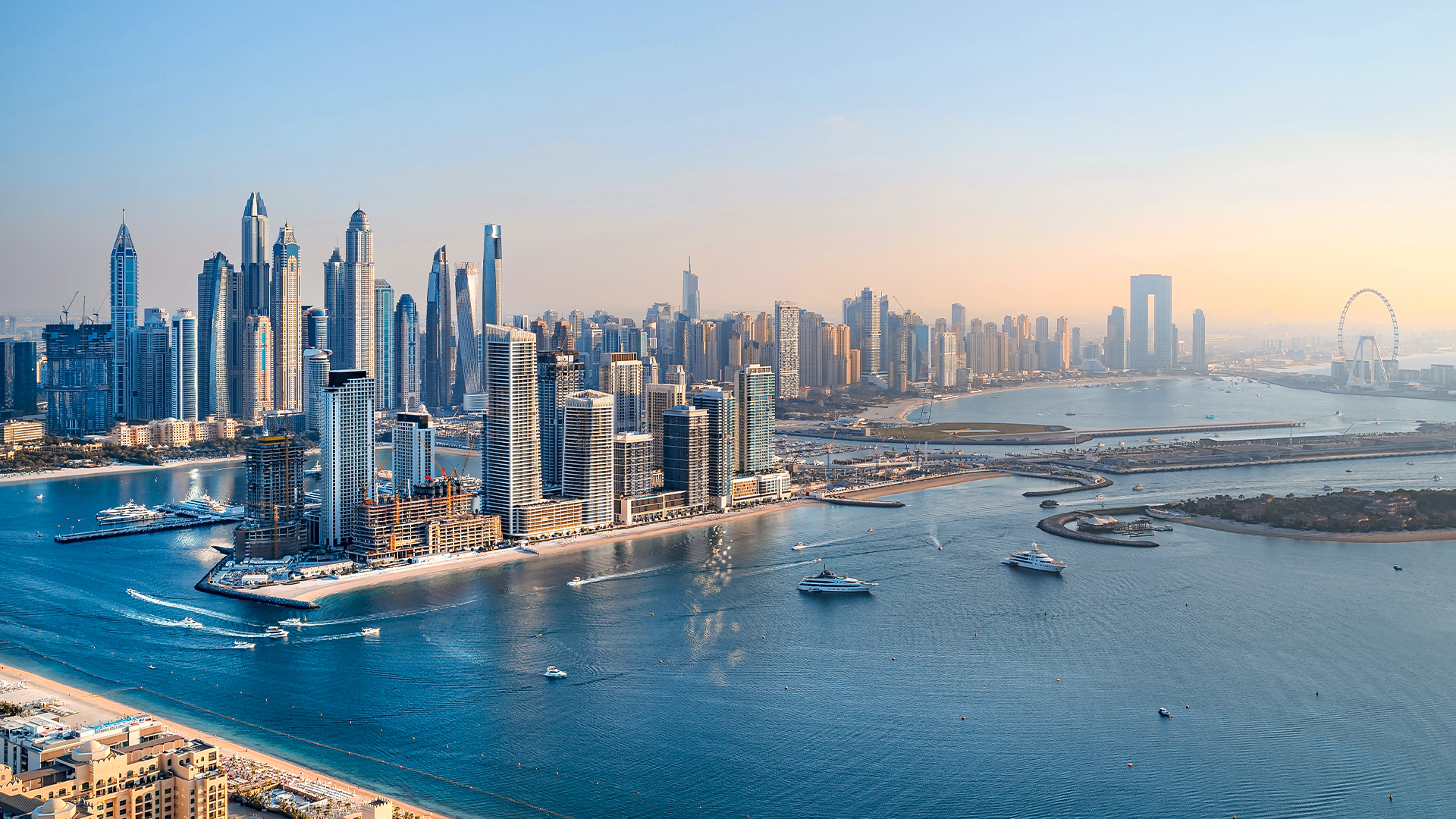
How the Dubai Property Market Survived the Crisis in the Past
A clear understanding of the Dubai real estate market resilience comes from examining how the city has responded to previous global disruptions.
Recovery After the 2008 Global Financial Crisis
The global financial crisis created one of the most challenging periods for property markets worldwide. Dubai experienced a market correction during this time, but the recovery was relatively fast compared with many international cities. Recovery indicators included:
- Property values returning to pre-crisis levels by 2013 to 2014
- Increased global investment ahead of Expo 2020
- Strategic capital support from the UAE sovereign wealth funds
- GDP growth returning to positive territory by 2010
Stability During Regional Geopolitical Tensions
Regional tensions have occurred periodically across the Middle East. Despite geographic proximity, the UAE markets remained operational and continued attracting foreign investment. Investor confidence remained stable due to:
- Strong security alliances and diplomatic neutrality
- Continued foreign direct investment inflows
- Active financial markets and business activity
Economic Recovery During the COVID-19 Pandemic
COVID-19 presented a major global disruption for almost every international economy. Dubai’s response demonstrated how quickly the city can adapt and recover. Key recovery indicators included:
- 5.5 million visitors welcomed in the second half of 2020
- Vaccination rates exceeding 90% of the population
- Full GDP recovery achieved by 2021
- Non-oil GDP growth averaged above 5% afterwards
These events illustrate how the Dubai property market survived the crisis through rapid policy response, infrastructure readiness, and global investor confidence.
Real-Time Market Activity in Dubai
Market performance is best measured through actual transaction activity. Recent figures demonstrate continued demand for property in Dubai even during periods of global uncertainty. Recent market data highlights include:
- AED 13.9 billion total property sales recorded in the first week of March
- 4,310 real estate transactions completed
- 11% increase compared with the previous year
Operational activity across the sector also remains strong:
- Property viewings across residential communities remain active
- Developers continue launching new projects
- Construction activity continues across the city
- Snagging and property handovers remain ongoing
- Client consultations and investor meetings continue daily
These indicators reinforce the strong Dubai property market resilience and demonstrate continued trust from both local and international investors.
Why International Investors Continue Choosing Dubai Real Estate
Dubai’s real estate market has become one of the most international property markets in the world. Investors from more than 100 countries participate in the city’s property sector, including private investors, institutional funds, and high-net-worth individuals. Several factors continue attracting global capital to Dubai:
- Long term residency pathways, including the Golden Visa
- Investor-friendly property ownership laws
- A tax-efficient investment environment
- Strong infrastructure and global connectivity
- High-quality lifestyle and safety standards
For many international buyers, property in Dubai represents both a financial asset and a strategic global residence.
Is the Dubai Property Market a Safe Investment During Global Uncertainty?
A common question among international investors is whether Dubai property remains a secure investment during periods of global economic uncertainty. Dubai’s long-term performance provides several indicators supporting investor confidence:
- Strong population growth and international migration
- Continued global investment inflows
- Government-backed urban planning initiatives
- Major infrastructure investment projects
These structural factors help maintain demand even when global market sentiment shifts.
Why Dubai Real Estate Always Emerges Stronger
Throughout its modern history, Dubai has consistently demonstrated its ability to adapt to global economic changes. Infrastructure investment, regulatory development, and diversified economic growth have created a resilient environment capable of absorbing global shocks.
For investors evaluating the Dubai property market resilience, the pattern is clear. Market cycles may occur, but Dubai continues to stabilise quickly and regain growth momentum.
This track record explains why Dubai real estate remains one of the most attractive property investment destinations globally.
FAQs
Is the Dubai property market a safe investment?
Dubai is widely considered one of the most stable real estate markets in the region. Strong regulation, international investor demand, and long-term economic planning contribute to investor confidence.
How did the Dubai property market survive the crisis?
Dubai’s property market has historically recovered through strong government planning, diversified economic sectors, global investor demand, and major infrastructure investment.
What supports the Dubai property market's resilience?
Population growth, strong tourism numbers, global aviation connectivity, and investor-friendly policies all support the resilience of Dubai’s real estate market.
Why does Dubai real estate during the global crisis still attract investors?
Dubai offers tax efficiency, strong infrastructure, international connectivity, and a high-quality lifestyle. These factors continue attracting investors even during uncertain global conditions.
For more information, get in touch with us at Provident